March is one of the most beautiful months to explore Japan. The spring air is gentle, the crowds are balanced, and the country moves to a rhythm that blends nature, history, and celebration. What truly sets this season apart is the way traditions breathe through daily life. If you are planning your journey around Japan cultural experiences, this is the month where culture feels personal, immersive, and deeply memorable.
From cherry blossom reflections to shrine festivals and timeless tea rituals, here are the top cultural experiences that make March in Japan unforgettable.
1. Late-Season Cherry Blossom Viewing in Northern Japan
While most travelers associate cherry blossoms with March and April, March still offers magical sakura moments in northern regions like Hokkaido and Aomori. These blooms arrive later due to cooler temperatures, creating a quieter and more intimate viewing experience.
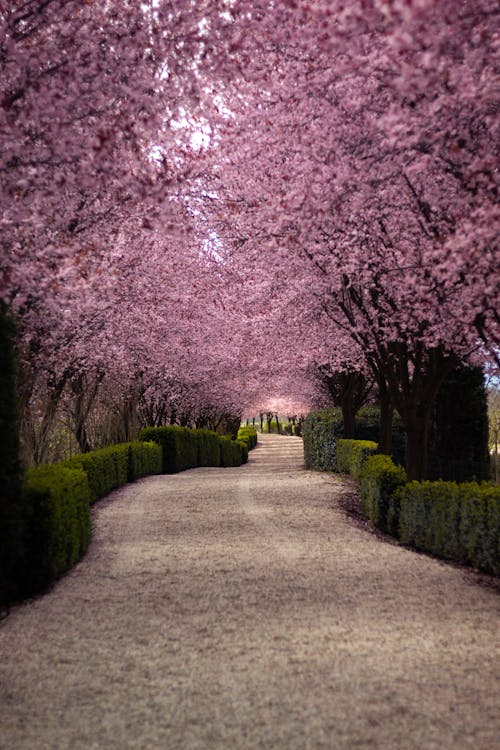
Cherry blossoms are not just flowers in Japan, they symbolize impermanence, renewal, and the beauty of fleeting moments. Families spread picnic mats under the trees, couples walk along pink-lined rivers, and photographers chase falling petals like poetry in motion. Experiencing cherry blossom season during March feels calmer and more reflective than the busy early spring rush.
For official bloom forecasts and seasonal updates, Japan’s tourism board publishes accurate regional guides here
2. Tea Ceremony in Kyoto’s Traditional Tea Houses
March is ideal for a tea ceremony experience, with mild weather and fresh spring gardens enhancing the ritual. Every movement in the ceremony reflects harmony, respect, purity, and tranquility. Sitting on tatami mats while a tea master prepares matcha is one of the most grounding Japan cultural experiences has to offer.
The silence, the sound of water, the scent of fresh tea, and the precision of movement all create a moment that stays with you long after you leave.
3. Sanja Matsuri, Tokyo’s Largest Traditional Festival
Held in mid-March at Asakusa Shrine, Sanja Matsuri is one of Tokyo’s most energetic celebrations. Massive portable shrines called mikoshi are carried through the streets by chanting locals dressed in traditional clothing. The festival reflects Tokyo’s spiritual roots blended with modern city life.
Drums thunder through narrow lanes, food stalls line every corner, and the entire district transforms into a moving cultural performance. This is one of the boldest Japan cultural experiences delivers.
4. Shrine Visits and Seasonal Purification Rituals
March is considered a fresh beginning month in Japan. Locals visit Shinto shrines to pray for health, success, and safe journeys. Washing hands at purification fountains, offering coins, ringing bells, and bowing with intention becomes a powerful cultural participation rather than a sightseeing stop.
These quiet rituals offer insight into Japan’s spiritual rhythm and the respect woven into everyday life.
5. Traditional Kimono and Street Walks in Historic Districts
In places like Gion in Kyoto or Kawagoe near Tokyo, wearing a kimono and walking through preserved streets feels like stepping into another era. March’s pleasant temperatures make it comfortable to wear traditional attire without heavy layers.
This experience connects you to Japan’s past through textures, movement, and local interaction. It is one of the most photogenic Japan cultural experiences offers.
6. Japanese Garden Viewing at Its Seasonal Best
March is peak time for Japanese gardens. Fresh maple leaves glow bright green, koi ponds shimmer under sunlight, and stone pathways feel alive with contrast and symmetry. Gardens like Kenrokuen, Shinjuku Gyoen, and Korakuen showcase balance between human design and natural beauty.
Walking through these landscapes teaches you how deeply nature influences Japanese aesthetics.
7. Sumo Stable Morning Practice
March often aligns with professional sumo tournaments, and many sumo stables open early morning practices to visitors. Watching wrestlers train in silence, discipline, and tradition reveals the spiritual and physical depth of Japan’s national sport.
This experience feels raw, respectful, and far removed from stadium entertainment.
8. Seasonal Japanese Cuisine and Spring Sweets
Food is one of the most expressive Japan cultural experiences highlights. Dishes feature bamboo shoots, mountain vegetables, cherry blossom sweets, and fresh seafood. Even traditional wagashi reflect seasonal colors and floral themes.
Eating in March is not just dining, it is experiencing the philosophy of seasonality on a plate.
9. Rural Village Life in the Japanese Countryside
March brings rice planting season. Visiting rural villages allows you to see farmers working in water-filled fields, reflecting sky and mountains. Homestays offer cultural immersion through shared meals, local festivals, and hands-on agricultural experiences.
This side of Japan feels deeply human and timeless.
10. Calligraphy and Traditional Art Workshops
Spring energy inspires creativity. Calligraphy classes, pottery workshops, and woodblock printing sessions flourish during March. Learning these crafts under expert guidance connects you to centuries of artistic tradition through your own hands.
Why Japan in March Feels Culturally Richer
What makes Japan cultural experiences truly stand out is balance. The weather is comfortable, festivals are active, gardens are vibrant, and cultural spaces feel alive without peak-season chaos. It is a month where travelers experience Japan as a living culture instead of a crowded attraction.
The lingering cherry blossoms in northern regions add emotional depth to journeys that already feel layered with tradition and beauty.
Final Thoughts
March is not just a travel month in Japan, it is a cultural invitation. From silent tea rooms to thunderous festivals, from drifting cherry petals to ritual bows at ancient shrines, every experience feels intentional. For travelers seeking meaning beyond monuments, Japan cultural experiences deliver stories you do not just see, but feel.
If Japan is on your travel calendar this season, March is the month where tradition, beauty, and discovery align naturally.