Choosing a destination is exciting. Choosing how to experience it deserves just as much thought.
A group tour and a customised holiday can both lead to a memorable journey, but they begin with different planning conversations. The useful question is not simply which option sounds better. It is which actual itinerary fits your dates, priorities and travelling party?
Before you make a decision, here are a few practical things to consider when comparing a group tour with a customised holiday.
1. Begin With the People Travelling
Start by understanding who is joining the holiday and what each person hopes to enjoy.
One traveller might want a full sightseeing schedule, while another may value a slower morning or fewer hotel changes. Families may need specific room arrangements, while friends travelling together may have different budgets.
Instead of assuming everyone wants the same experience, ask each person:
- What is one thing you definitely want from the holiday?
- What is one thing you would prefer to avoid?
These simple answers can create a much clearer travel brief than choosing a destination name alone.
2. Understand the Group Tour Option
A scheduled group tour gives you a departure date and an established itinerary that you can assess before booking.
However, not every group tour works in exactly the same way. Look beyond the destination and ask about the actual arrangements.
Consider questions such as:
- What is the daily pace?
- How are rooms allocated?
- What coordination or assistance is included?
- How much free time is available?
- How is the free time typically used?
- What activities and transfers are included?
The answers can help you understand whether the shared route and schedule match your expectations.
It is also important to read the written itinerary alongside your conversation with the travel planner. This helps ensure that the experience you are considering matches what has actually been discussed.
3. Understand the Customised Holiday Option
A customised holiday starts with your requirements and explores what can be arranged around them.
You may have different travel dates, a preferred type of accommodation, specific interests or a particular pace in mind.
However, customisation does not mean that every request will be possible at every price. Availability, route practicality, accommodation options and your budget all influence the final itinerary.
When discussing a customised holiday, ask:
- Which elements can be changed?
- Which arrangements are already quoted?
- How will changes affect the total cost?
- Which parts of the itinerary are fixed?
- What alternatives are available if something is unavailable?
Most importantly, make sure the version you approve reflects the latest decisions and agreed arrangements.
4. Compare the Pace of an Ordinary Day
Destination photographs rarely show you how a holiday actually feels from morning to night.
A better comparison is to look at how an ordinary day is organised.
Consider:
- How early does the day begin?
- How much time is spent travelling?
- How much walking is involved?
- How many activities are scheduled?
- How frequently do you change hotels?
- How much downtime is available?
A day filled with activities may suit some travellers, while others may prefer a slower schedule.
Neither preference is right or wrong. The important thing is understanding what your travelling party will actually enjoy.
Ask your travel planner to walk you through one representative day from the itinerary. This can make it much easier to imagine the actual experience.
5. Compare Costs on the Same Basis
Do not assume that a group tour is always cheaper or that a customised holiday is automatically more luxurious.
The headline price alone does not tell the whole story.
When comparing two options, look at:
- Travel dates
- Room basis
- Accommodation
- Route
- Meals
- Airport and local transfers
- Sightseeing
- Activities
- Other written inclusions
- Additional costs
- Payment terms
- Applicable pricing conditions
For example, one package may appear less expensive because it includes fewer arrangements.
A meaningful comparison should therefore focus on the total holiday experience you actually want, rather than simply comparing two starting prices.
6. Discuss Flexibility Before Confirming
If your leave dates may change, mention this early in the conversation.
The same applies if one traveller has not completely committed to the trip.
Ask how the following apply to your chosen option:
- Payment schedules
- Date changes
- Amendments
- Cancellation terms
- Changes to the number of travellers
- Changes to accommodation or itinerary arrangements
Do not assume that a customised itinerary can be changed without additional costs. Similarly, do not assume that a group departure can accommodate a completely different schedule.
Understanding the written terms before making a payment helps everyone clearly understand the commitments involved.
7. Use a Simple Family Decision Exercise
If you are travelling with family or friends, try describing each option in your own words.
For example:
“This route fits our fixed dates, and we are comfortable with its pace.”
Or:
“We want to discuss a shorter itinerary with fewer hotel changes.”
Then identify what you still do not know.
Perhaps you need clarification about the room basis. Maybe you want to understand how a particular transfer works. Or perhaps you want to know whether an activity can be removed from a customised itinerary.
A shortlist with two clear questions is often more useful than a folder filled with unrelated travel packages.
8. Prepare Your First Travel Enquiry
A well-prepared enquiry can make the planning conversation much more productive.
When contacting a travel planner, share:
- Your preferred travel month
- Available travel dates
- Number of travellers
- Approximate budget
- Key interests
- Preferred destination, if you have one
- Whether your dates are fixed
- Any important accommodation preferences
If you have concerns about documentation, mention that you need guidance on the process without sending sensitive information in an initial marketing enquiry.
These details allow the conversation to focus on suitable travel choices and practical next steps rather than starting from scratch.
Group Tour or Customised Holiday: Which One Should You Explore?
There is no need to decide on a travel style before understanding the actual options available to you.
A group tour may give you a scheduled departure and an established itinerary to evaluate.
A customised holiday gives you an opportunity to discuss your dates, interests, preferred pace and other requirements around a more personalised plan.
The right starting point is to look at the actual arrangements, not just the label.
Explore Your Options With Sun Tourism
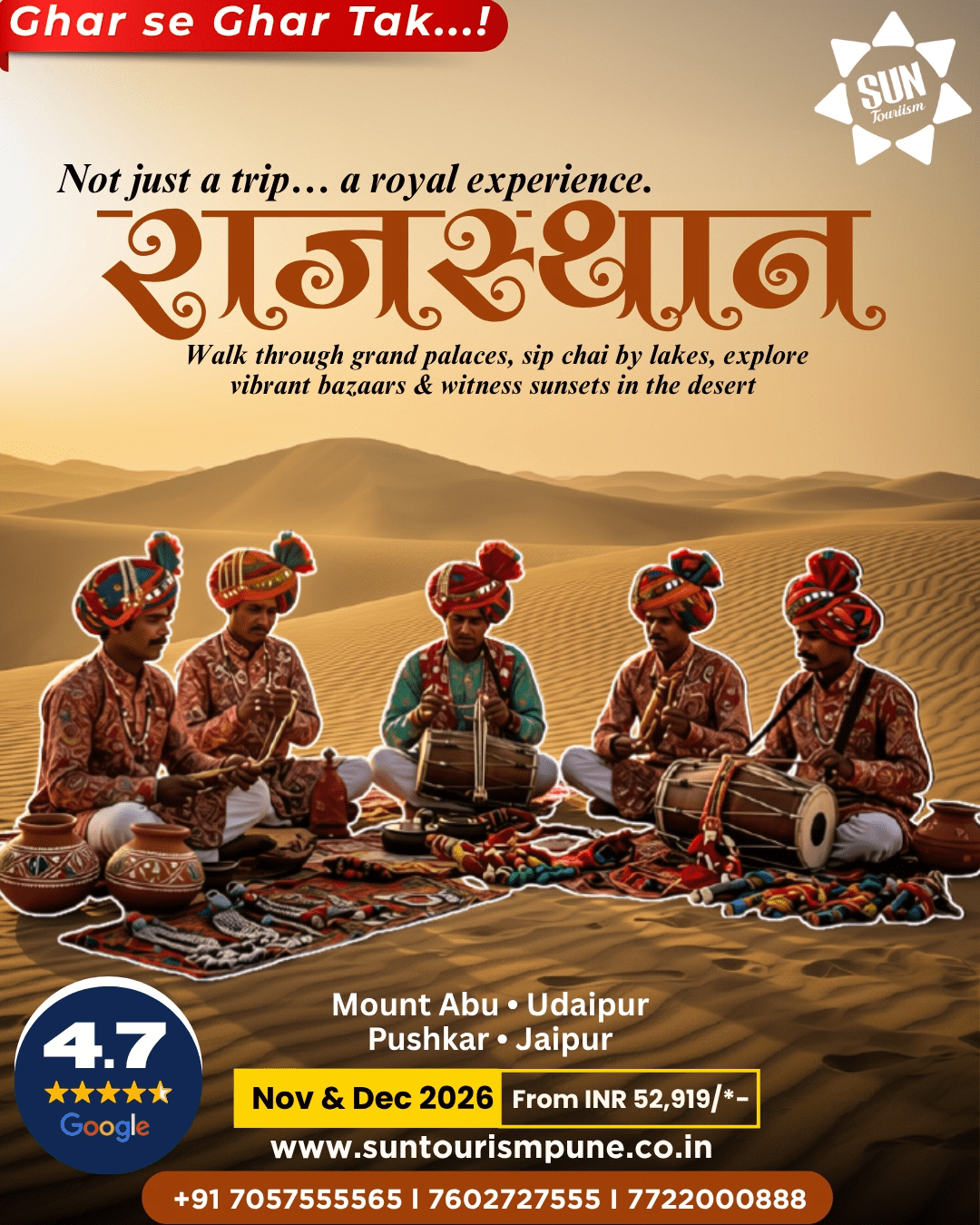
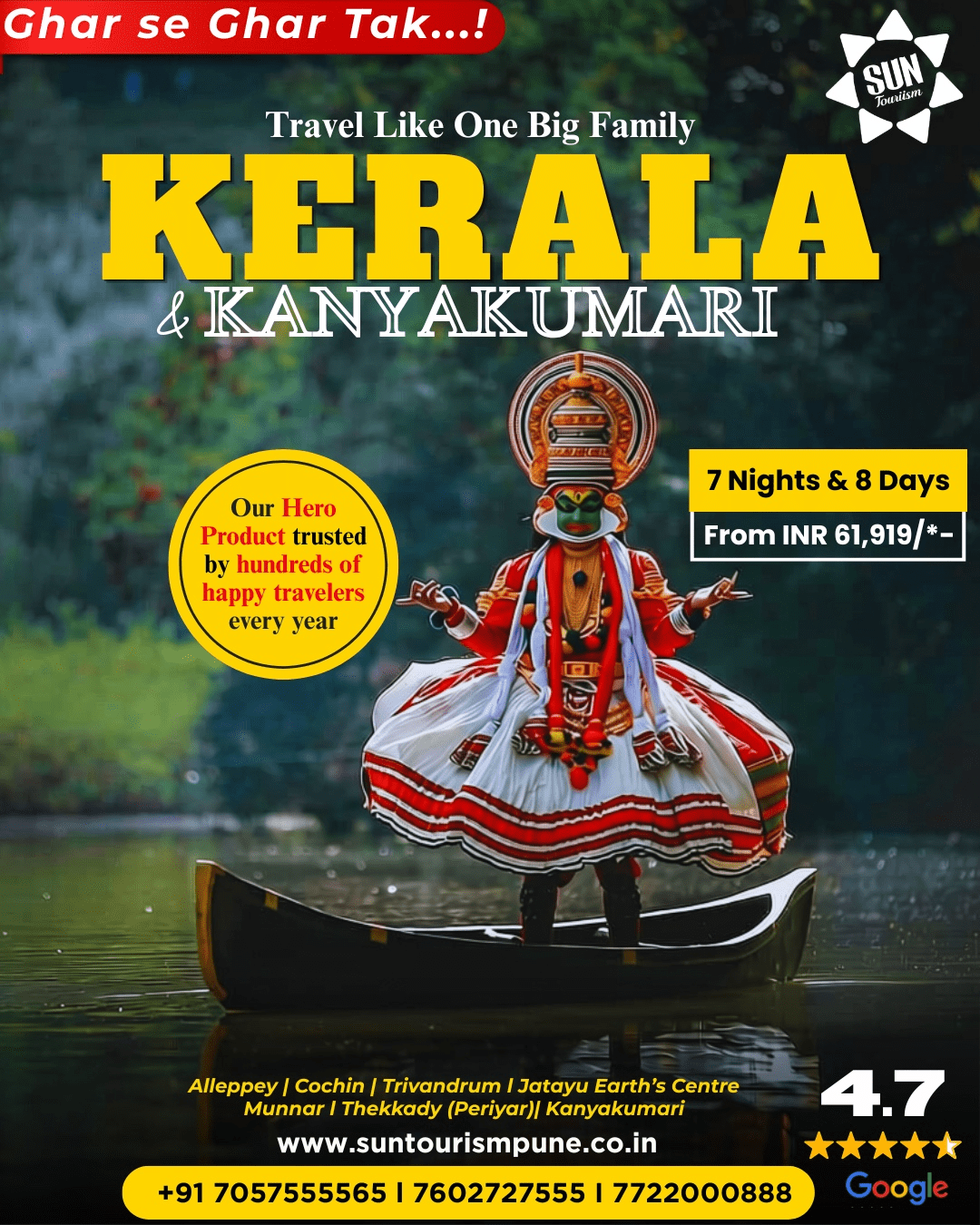
Sun Tourism offers both group tours and customised holiday enquiries, allowing travellers to explore different ways of planning their journey.
If you prefer starting with a scheduled departure, browse the available group-tour options.
If you have specific dates, interests or itinerary preferences, you can explore the customised holiday option and share your travel brief.
The best travel planning conversation starts with the people travelling, what they want from the journey and what matters most to them.
Start with your priorities, compare the actual arrangements, ask the right questions and choose the travel plan you can comfortably imagine enjoying together.